
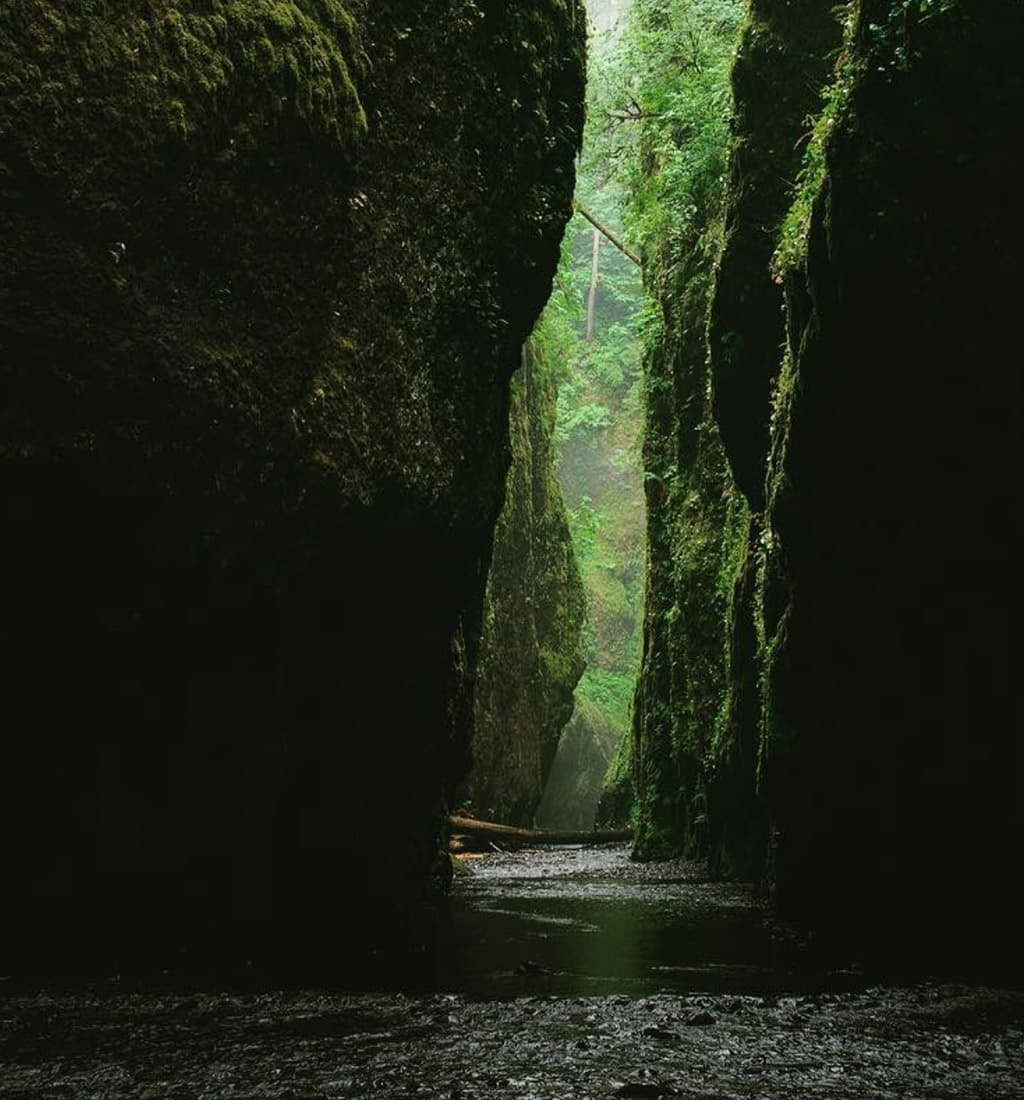
When SolTerra was started in 2008, our motto and website was UseYourRoof.com. Our goal was to take urban rooftops and cover them with plants and solar so that people could actually use the space in our cities that is most connected to the elements; spaces to reduce stress, or find a quiet place to solve that unanswered question.
More than a thousand projects later, our belief in the importance of and commitment to connecting people to nature has never been stronger. Humans spent thousands of years evolving in nature and then drastically changed their surroundings in just a matter of decades. Humans now spend about 95% of their time inside, and there is an abundance of evidence showing people are more stressed and unhealthy than ever before. There is also a tremendous amount of evidence showing the health benefits of being in nature.
SolTerra has over a decade of experience developing building integrated environmental technology (BIET) and believes this is one of our three core competencies that helps us develop projects that stand out from most others. Explore the sections below to learn more about how these technologies work.
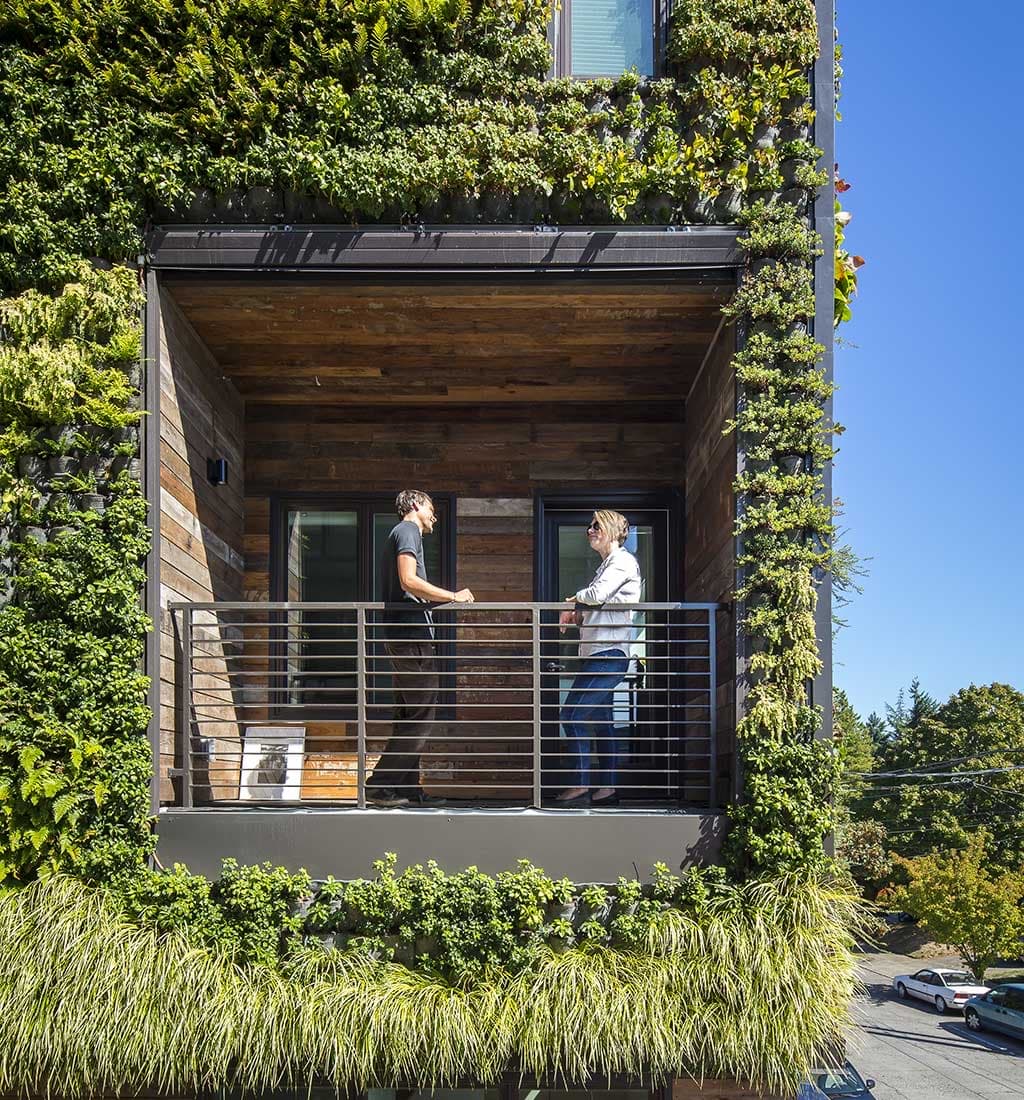
Living Walls
Brian has said it before: “Nature is Sexy.” We really believe this, and there is no better way to showcase nature on a building than a living wall. This way of showcasing a deeper commitment to sustainability is where the true value of a living wall lies.
For all SolTerra projects we use VeraWall, the product that Brian started patenting in 2009. VeraWall uses non-woven geosynthetic fibers to transmit water and nutrients to the roots of the plants. The design emulates the way plants actually grow on vertical surfaces in nature, where all they have is a nook in a branch or a crack in a wall. These seemingly harsh conditions allow a plant to thrive when there is an intersection of light, air, water and nutrients. VeraWall is not a true hydroponic system, as we use some soil in our walls, but it applies concepts from hydroponic technology to create the intersection that supports plant life.
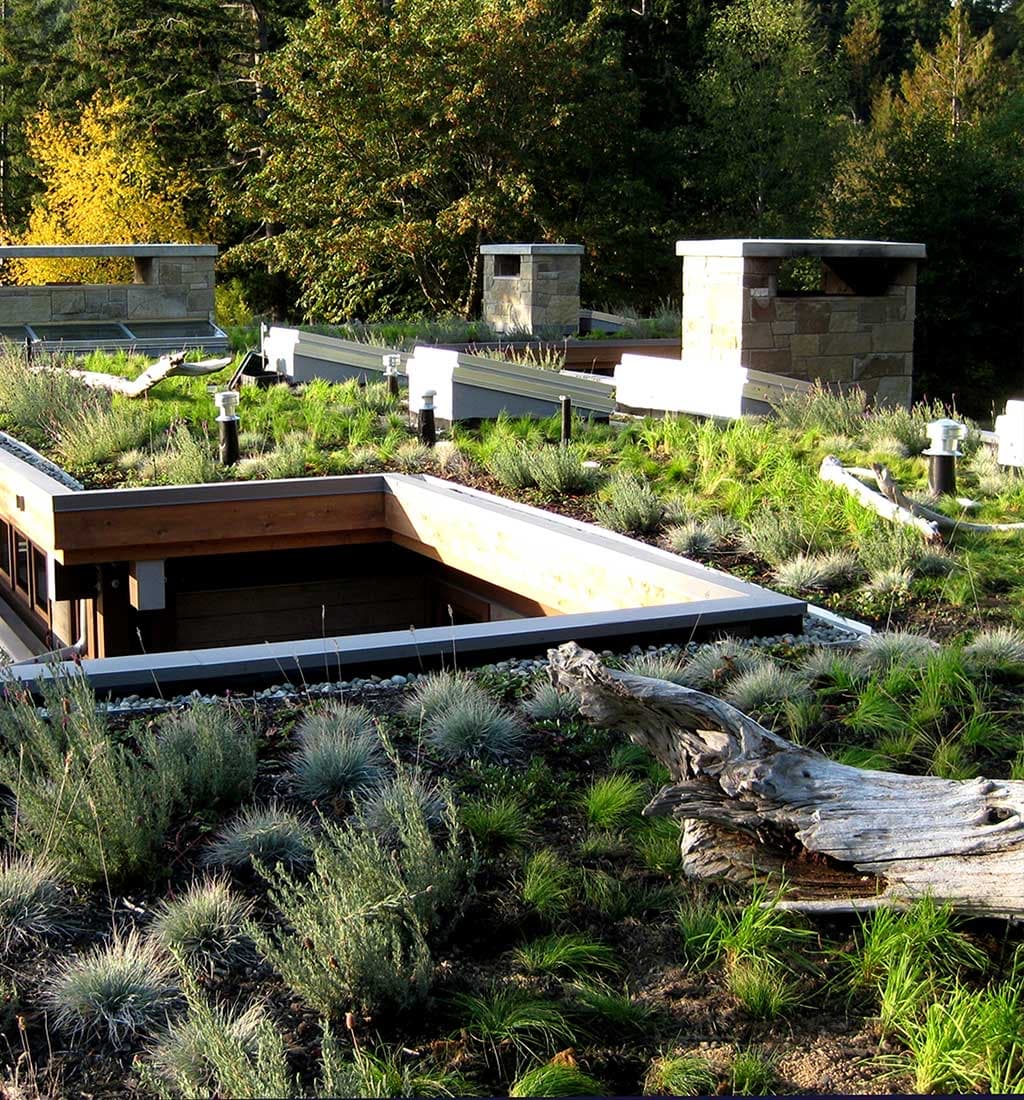
Green Roofs
Every project we develop has a green roof. We believe a green roof has arguably the most positive impact on the environment of all the initiatives a developer can take on. The largest of these benefits is the ability to reduce and filter stormwater before it enters our lakes and streams.
Green roofs also help cool the building and surrounding area, reducing the “Heat Island Effect.” Because so much urban area is covered in concrete and other heat-absorbing materials, cities are commonly 5–7 degrees warmer than the more vegetated areas just outside them. This mass of heat costs the US billions of dollars a year in additional cooling costs.
Beyond the positive impact on the environment, green roofs give people a place to connect with nature, relax, and even grow food. We could write a book on green roofs, but the bottom line is that they are awesome and all new buildings should have them.
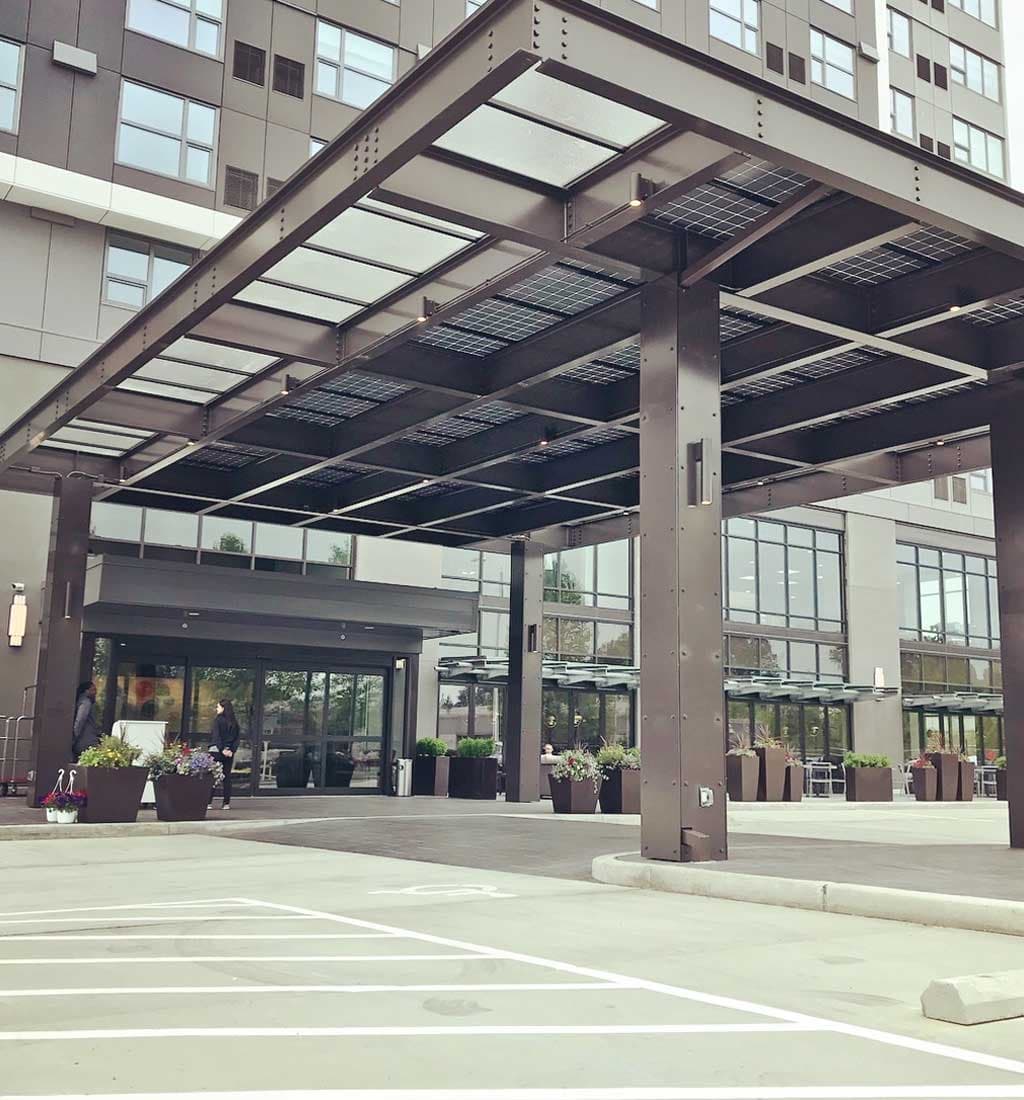
Solar
SolTerra started with solar and has installed over 1,000 systems in the Pacific Northwest, so our commitment to solar runs deep. For the buildings we create, we view solar as more than a renewable energy source; we view it as something that helps connect people to nature.
That is why almost all of the installations on our own buildings are integrated into the building structure as awnings, window coverings, gazebos or other elevated structures that protect people from the rain and sun so they can spend more time outside.